
Save The Sharks
Sharks have always been my favorite animal, and my interest in them is both personal and deeply connected to how I see environmental problem-solving and innovation. From a young age, I was fascinated by their strength, mystery, and misunderstood reputation. That curiosity grew into a desire not only to learn about sharks but also to consider how humans can better coexist with them through education, design, and even technology, such as shark-repelling bands and protective apparel that can reduce negative human-shark interactions while supporting conservation.
Sharks are some of the most ancient and inspiring creatures on Earth, yet they are also among the most misunderstood. Species like the Greenland shark can live for over 200 years, making them one of the longest-living vertebrates on the planet. Their existence alone is a reminder of how vital it is to protect and preserve these animals, not just for their beauty, but for the history and balance they represent within our oceans.
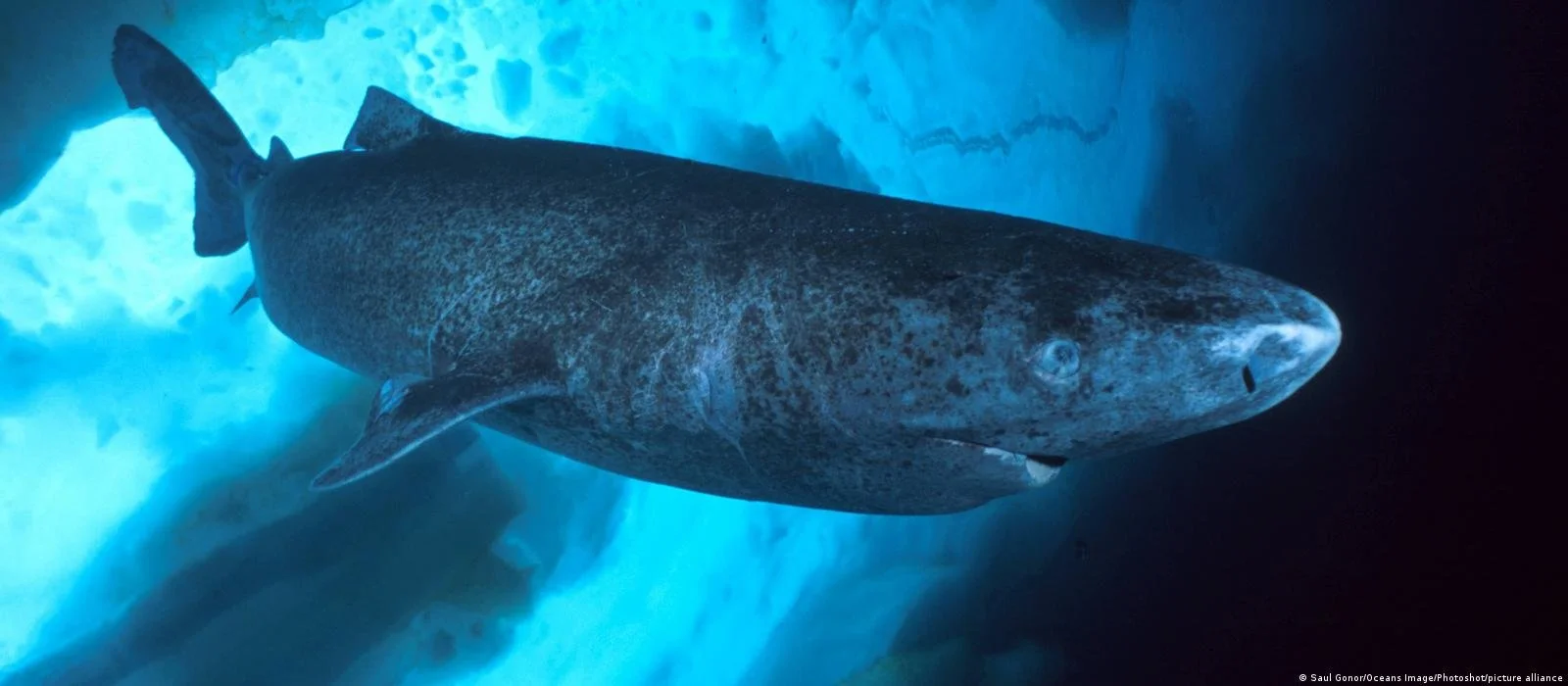
Greenland Shark
Beyond their appearance, sharks play a critical role in maintaining marine ecosystems. Often referred to as the “garbage collectors of the sea,” they help regulate populations and remove weak or sick animals, ensuring a healthier ocean overall. Without sharks, ecosystems can quickly become unbalanced, leading to overpopulation of certain species and the collapse of others. Their survival is directly tied to the health of our oceans and ultimately, our planet.
Sharks also exist within a delicate system of interdependence. Many species rely on smaller fish, such as cleaner fish, to remove parasites and maintain their health. This relationship highlights the complexity of marine life and how interconnected these systems truly are. When sharks disappear, it doesn’t just affect one species; it disrupts an entire chain of life beneath the surface.
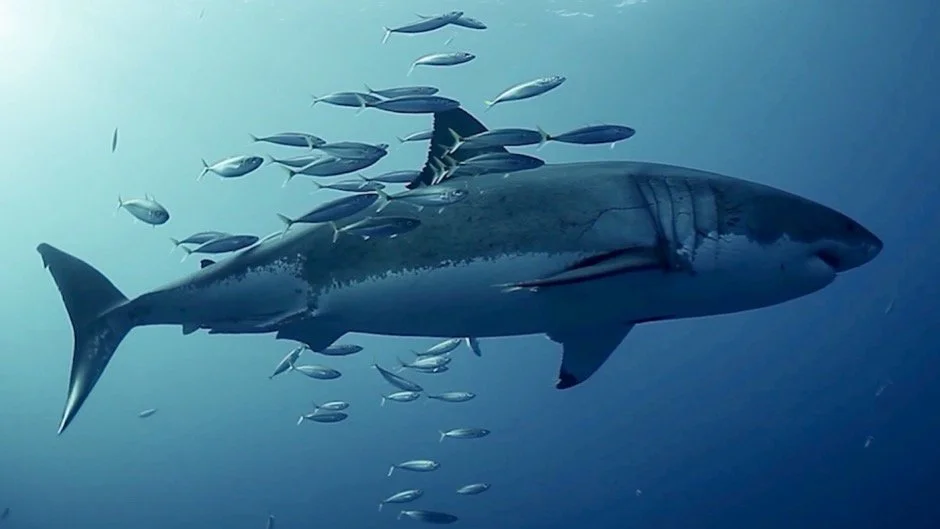
Fish using Great White to exfoliate
Public perception has also played a major role in their decline. Films like Jaws contributed to a widespread fear of sharks, portraying them as aggressive predators rather than essential parts of the ecosystem. In reality, sharks are highly intelligent animals that rarely pose a threat to humans. The narrative surrounding them needs to shift from fear to respect, understanding, and innovation in reducing conflict between humans and marine life.
My connection to sharks continues to shape how I think about my future in fashion, merchandising, and innovation. I’m especially interested in how design and technology can intersect with conservation, such as shark-repelling materials, wearable tech, or apparel designed for ocean safety and awareness. To me, sharks represent resilience, strength, and balance. Protecting them means protecting the ocean itself.
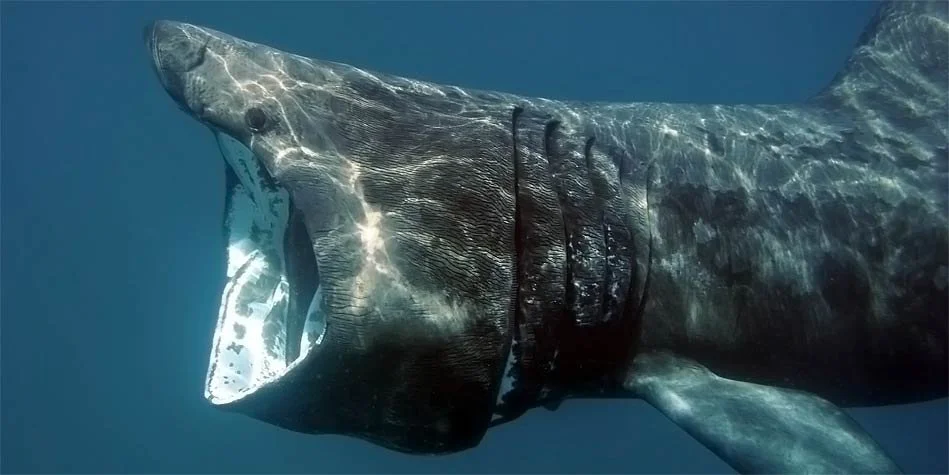
Basking shark
While some regions have begun to ban shark finning, there is still much work to be done. Through awareness, design thinking, and education, we can begin to change the narrative and ensure that these incredible creatures continue to thrive for generations to come.
