
Childhood Cancer Awareness: Why Pediatric Cancer deserves more than 4%
Hospitals are often defined by silence the kind that settles when a diagnosis changes everything. Each year, approximately 400,000 children worldwide are diagnosed with cancer, a number that reflects not just a medical crisis, but a systemic gap in research and investment. According to St. Jude Children’s Research Hospital, pediatric cancers receive only a small fraction of overall cancer funding, often cited at around four percent. While this statistic has become a rallying point for advocates, it raises a critical question: why are the most vulnerable patients receiving the least support?
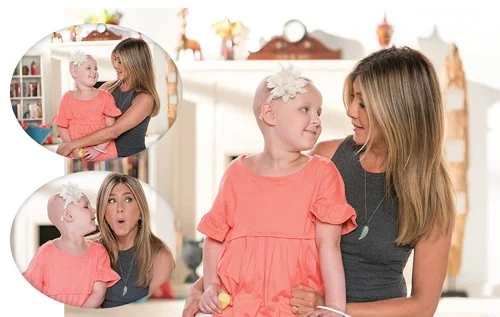
St. Jude commercial with Sawyer Perkins & Jennifer Anniston.
The issue extends far beyond a single percentage it reflects a broader imbalance in how innovation is prioritized. Despite the complexity and diversity of pediatric cancers, research funding remains limited, restricting the development of targeted and safer treatments. Data from advocacy efforts like #MoreThan4 show that only about 3–4% of research funding is allocated to pediatric cancers, leaving researchers with significantly fewer resources to advance clinical trials. As a result, children are often treated with therapies originally designed for adults, and in some cases, only a small number of drugs have been specifically approved for pediatric use. This reliance on adapted treatments raises concerns about long-term health effects and highlights the urgent need for child-specific medical innovation.
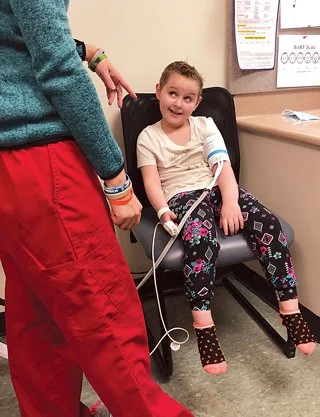
Beyond research, the funding gap reveals a deeper issue. Small reallocations of federal spending could significantly accelerate pediatric cancer advancements yet funding continues to fall short. At the same time, families and nonprofits are left to bridge the gap through donations, fundraisers, and awareness campaigns. The reality is difficult to ignore: society is asking children to fund their own battles to live.
For me, this issue is not just policy-driven it is deeply personal. My nonprofit, Sawyer’s Warriors, was inspired by my sister Sawyer, who was diagnosed with stage 3 anaplastic ependymoma at just five years old. Her journey revealed the harsh realities behind these statistics: limited treatment options, physically demanding therapies, and no guarantee of survival. Despite her strength and resilience, the lack of advanced, targeted research shaped her experience. Sawyer’s story is not an isolated case it reflects what many families face when navigating a system that is underprepared to support children with complex and rare cancers.
In 2025, conversations around healthcare equity, innovation, and patient-centered design are more prominent than ever yet pediatric cancer continues to struggle for visibility. Advocacy organizations, researchers, and communities have made meaningful progress in raising awareness, but systemic change remains slow. Increased funding would not only accelerate breakthroughs in treatment but also support the long-term well-being of survivors and their families. From reducing harmful side effects to improving quality of life, investment in pediatric cancer care has the potential to transform outcomes on every level.
As a fashion merchandising student, model, and nonprofit founder, I view this issue through both a personal and creative lens. Fashion is more than aesthetics it is a platform for storytelling, advocacy, and impact. Through adaptive design, awareness campaigns, and purpose-driven branding, I aim to raise visibility for children like Sawyer and advocate for change in ways that resonate beyond traditional spaces. By merging fashion with advocacy, I hope to create work that not only raises awareness but also builds community and drives meaningful action.
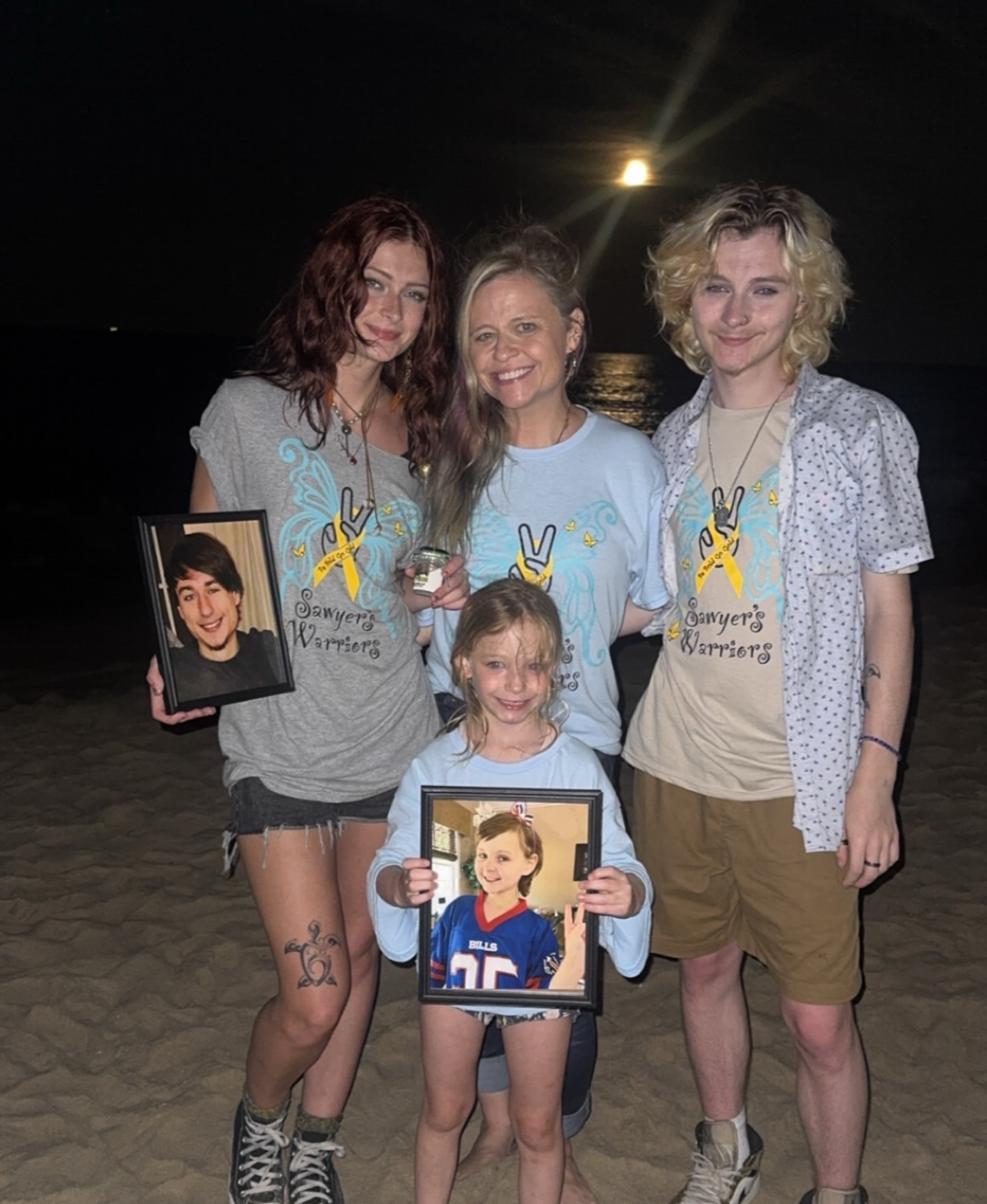
Pediatric cancer is more than a statistic it is a call to action. Increasing funding, advancing research, and prioritizing children’s health are not optional; they are necessary steps toward our future. After all the children today will run the world in the future. The question is no longer whether we can do more, but whether we are willing to do more. Because behind every percentage point is a child, a family, and a future that deserves more than four percent.
