Fashion Scholarship Fund 2026 case study
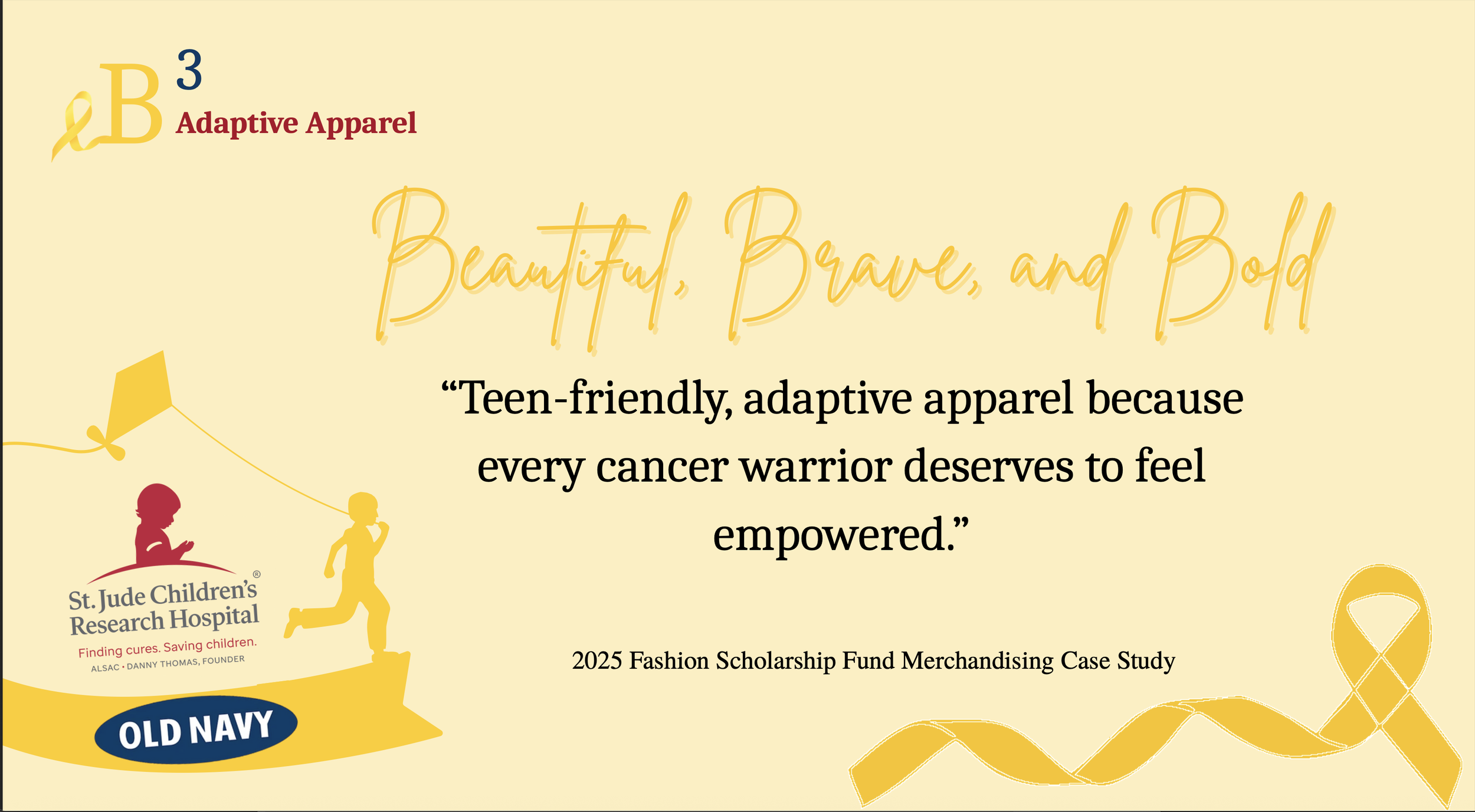
B3 (Beautiful, Brave, Bold) Adaptive Apparel for teen cancer patients
Develop a forward-thinking merchandising concept for the Fashion Scholarship Fund (FSF) 2026 Case Study under the theme “Fashion Across Industries.”
The challenge was to identify an underserved market opportunity and create a strategic, financially viable, and brand-aligned solution that bridges fashion with another industry.
The Ask
The Proposal
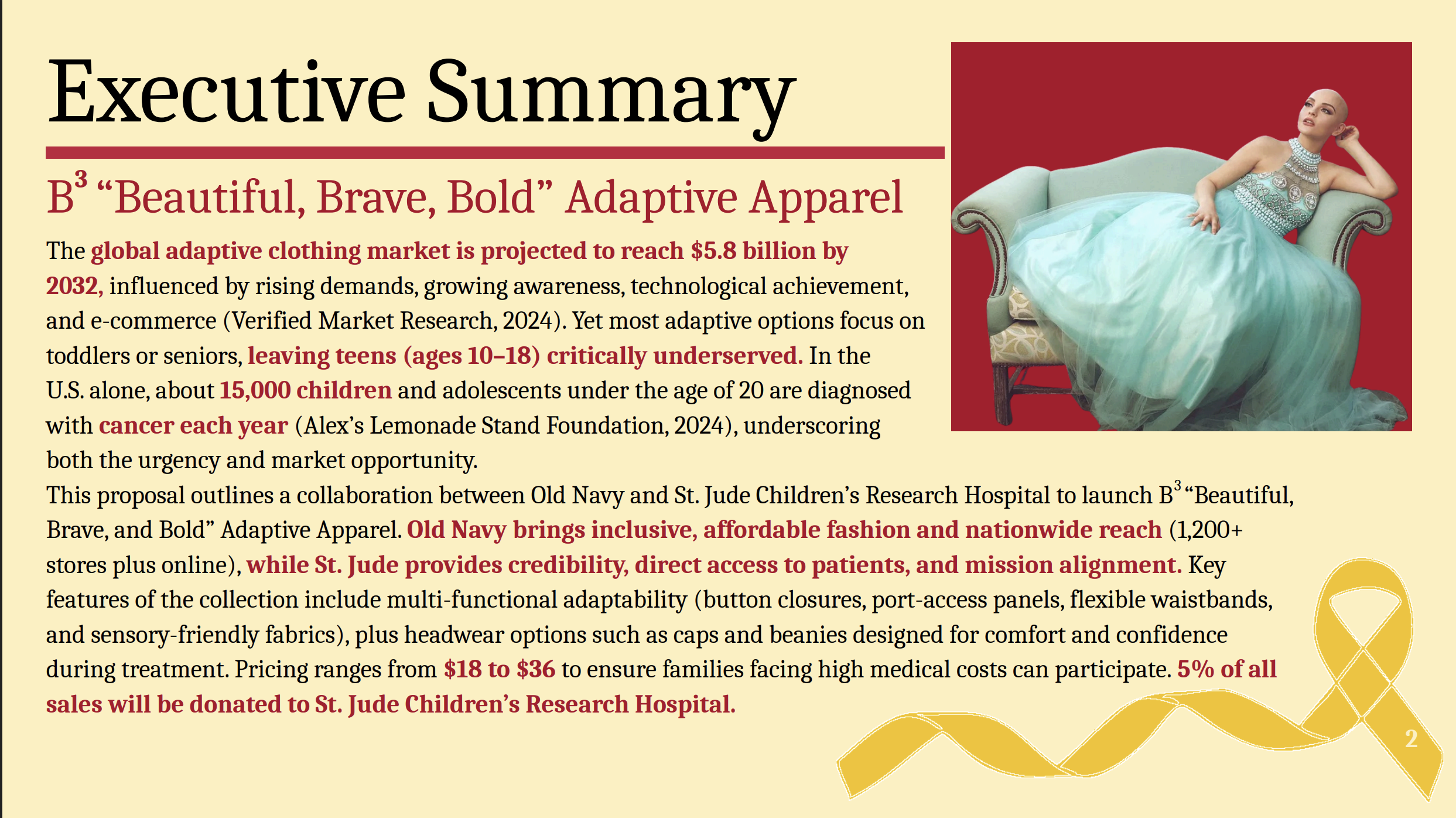
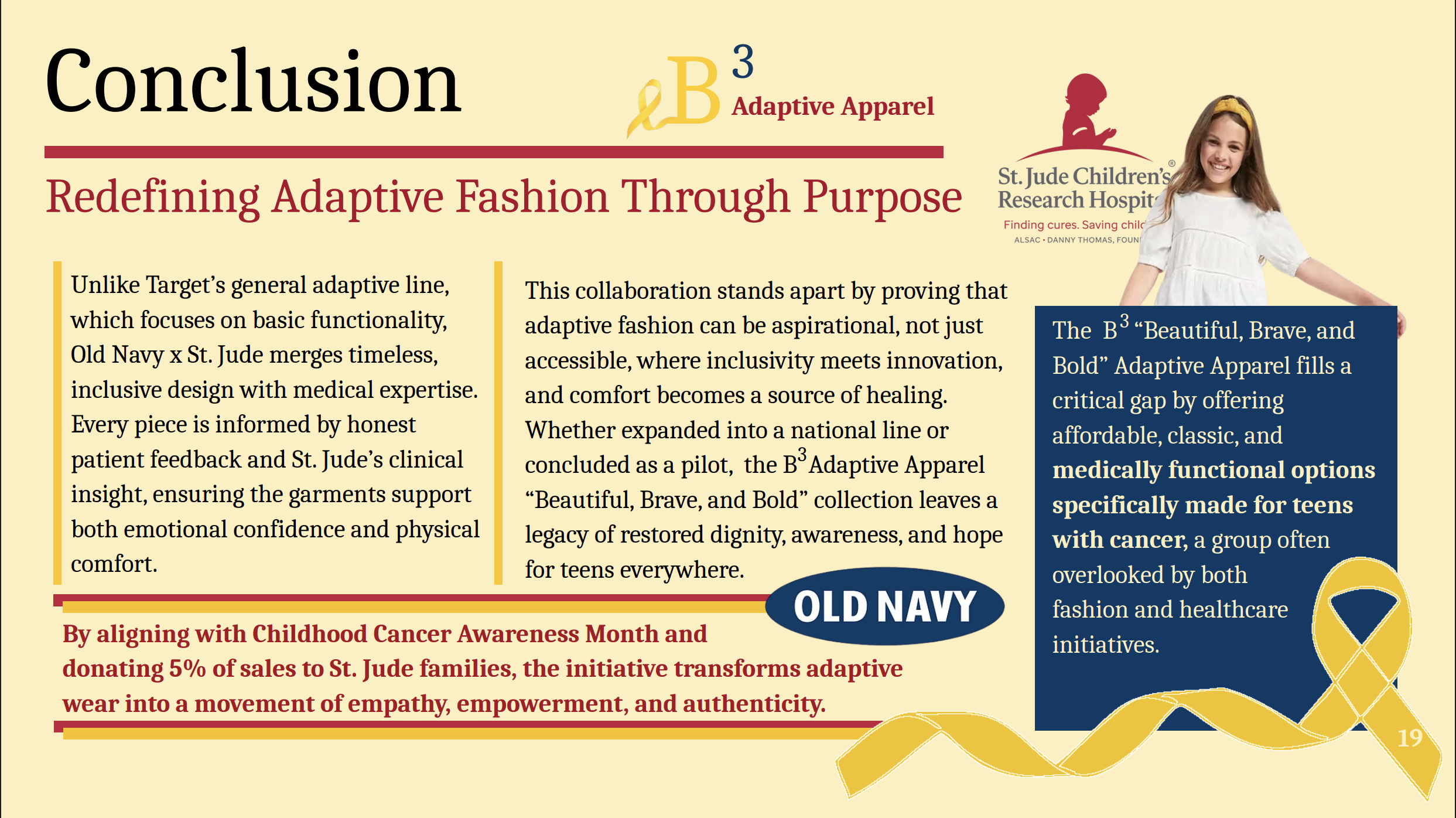
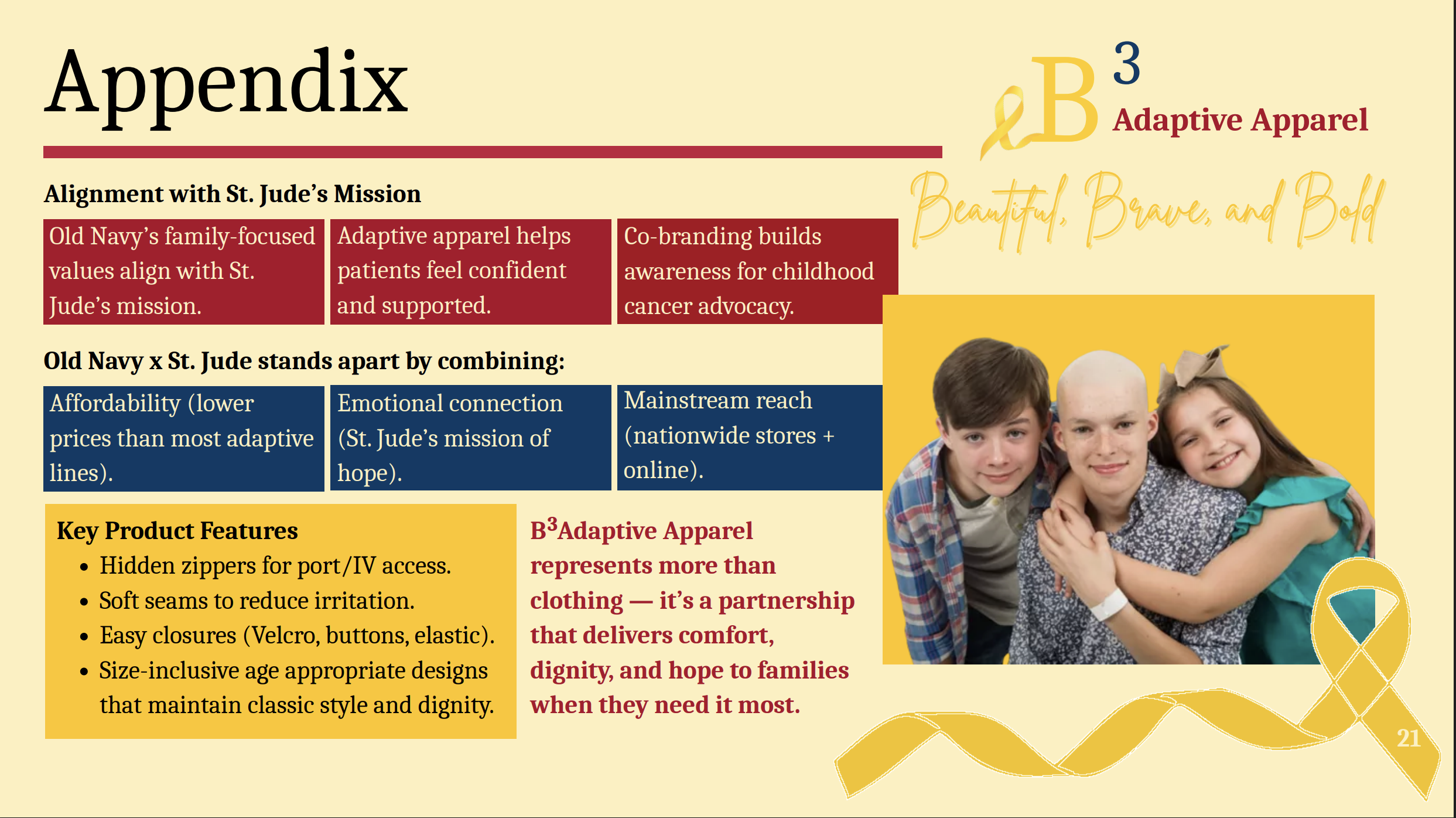
I proposed a collaboration between Old Navy and St. Jude Children's Research Hospital to launch “Beautiful, Brave, Bold”, the first affordable adaptive apparel line designed specifically for teens undergoing cancer treatment.
Skills Used
Storytelling & Purpose-Driven Branding
Trend Forecasting & Market Research
Merchandising Strategy & Assortment Planning
Financial Planning (Sales, IMU, Markdown Strategy)
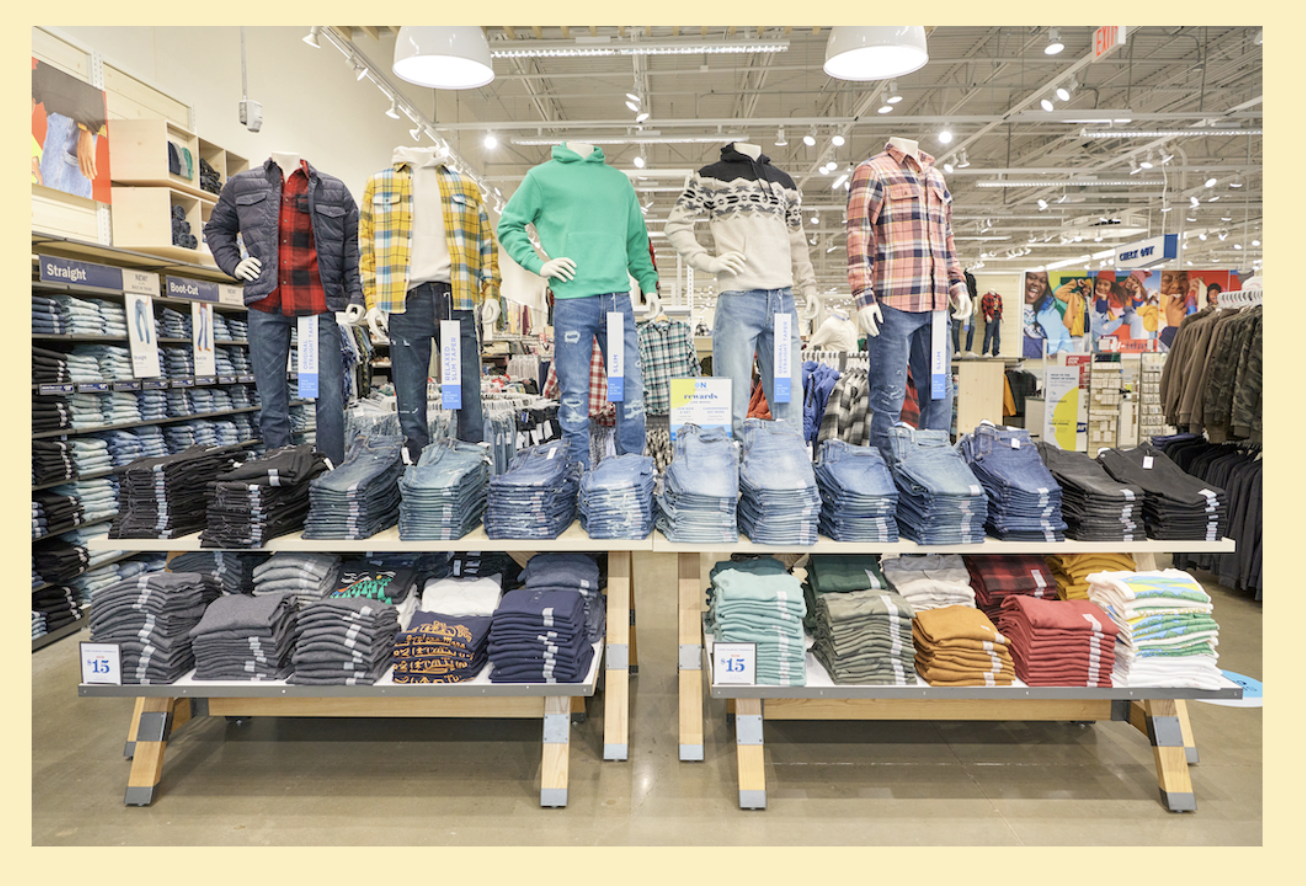
Visual Merchandising & Retail Experience Design
Consumer Insights & Persona Development
Market Opportunity
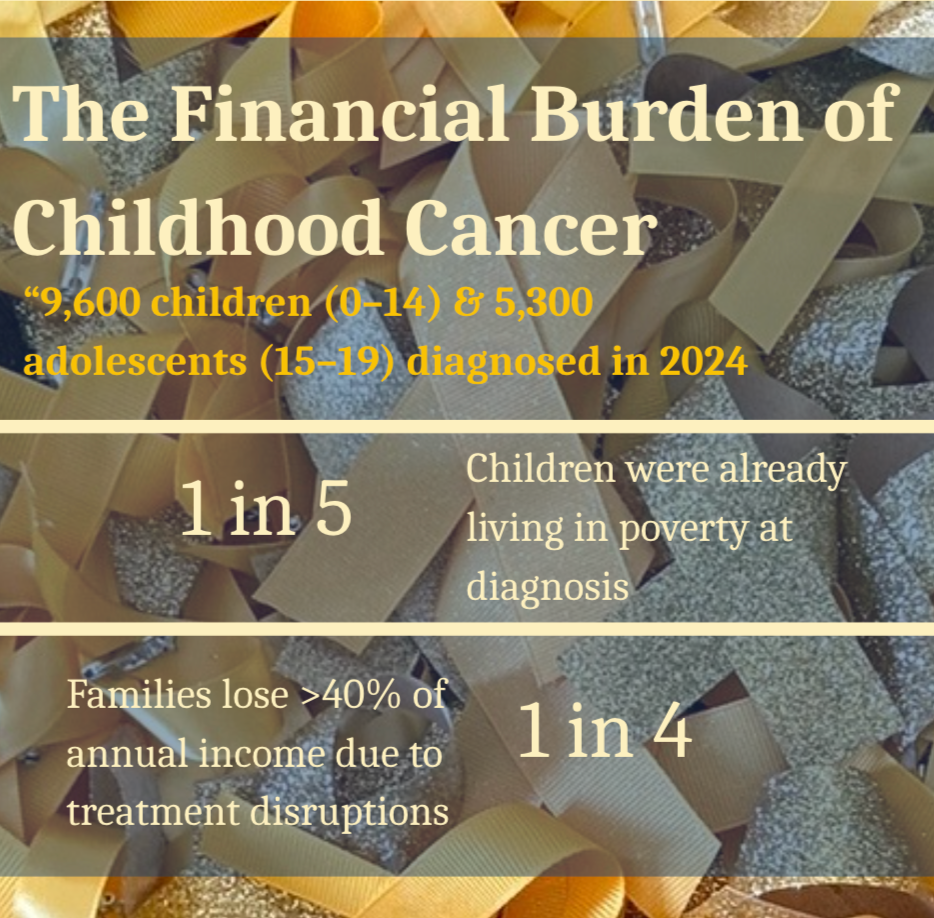
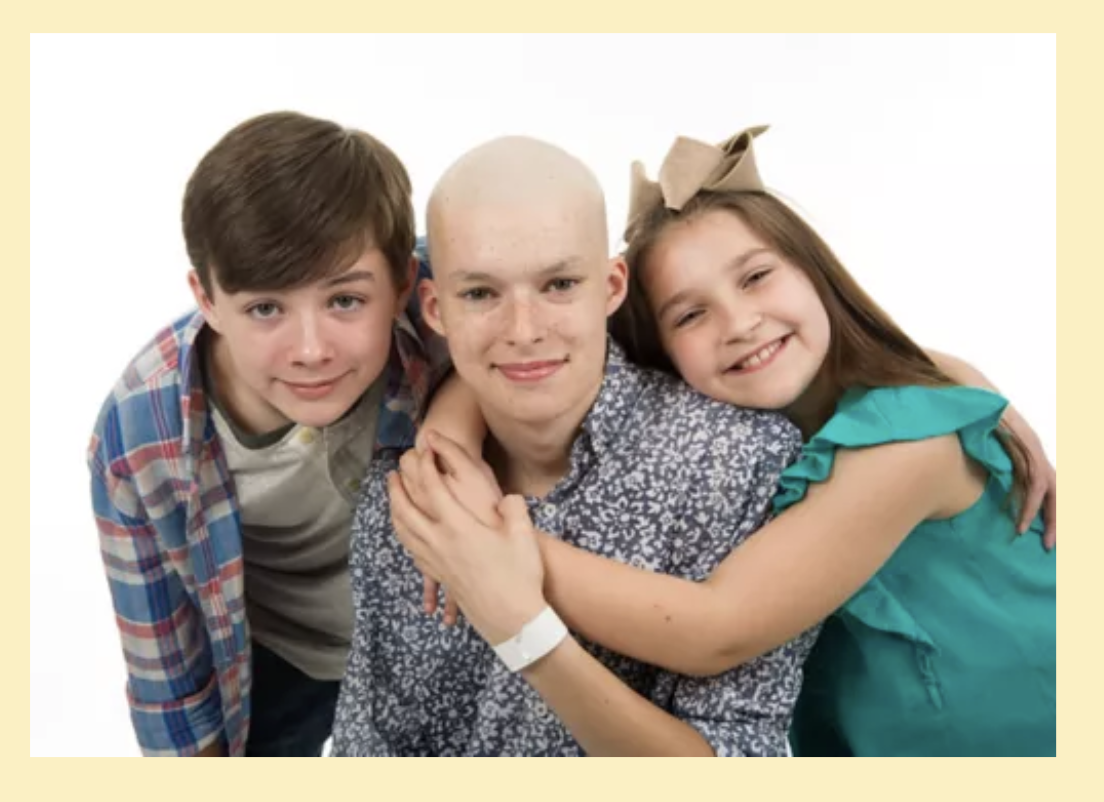
This project began with a personal connection to a problem I was already interested in researching. Through my own experience watching my sister fight pediatric cancer, I saw firsthand how deeply clothing impacts comfort, confidence, and identity during medical treatment. What should be a simple daily choice, such as getting dressed, can become physically difficult and emotionally overwhelming. Clothing becomes medical rather than expressive, yet it is still not medically functional.
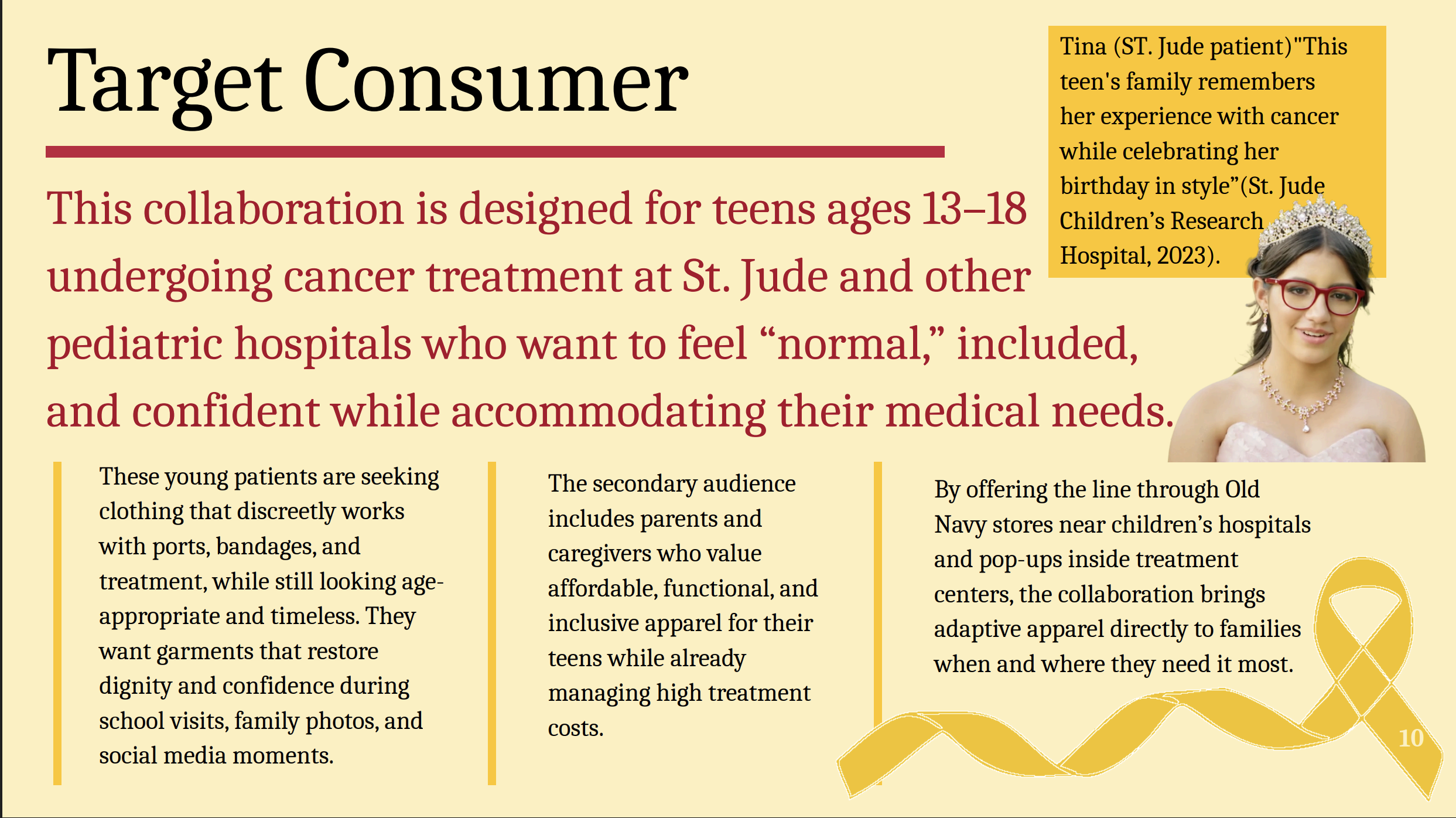
That experience stayed with me and shaped how I approached this case study. When I began exploring the adaptive apparel market, I noticed a clear gap: while adaptive fashion is growing, most solutions are designed for either young children or adults. Teenagers (ages 13–18) are largely overlooked, even though this is the age group most focused on identity, self-expression, and social belonging. This insight led me to a key question:
How might fashion support both the medical needs and emotional identity of teens undergoing cancer treatment?
Industry Research
Consumer & industry Research
I analyzed:
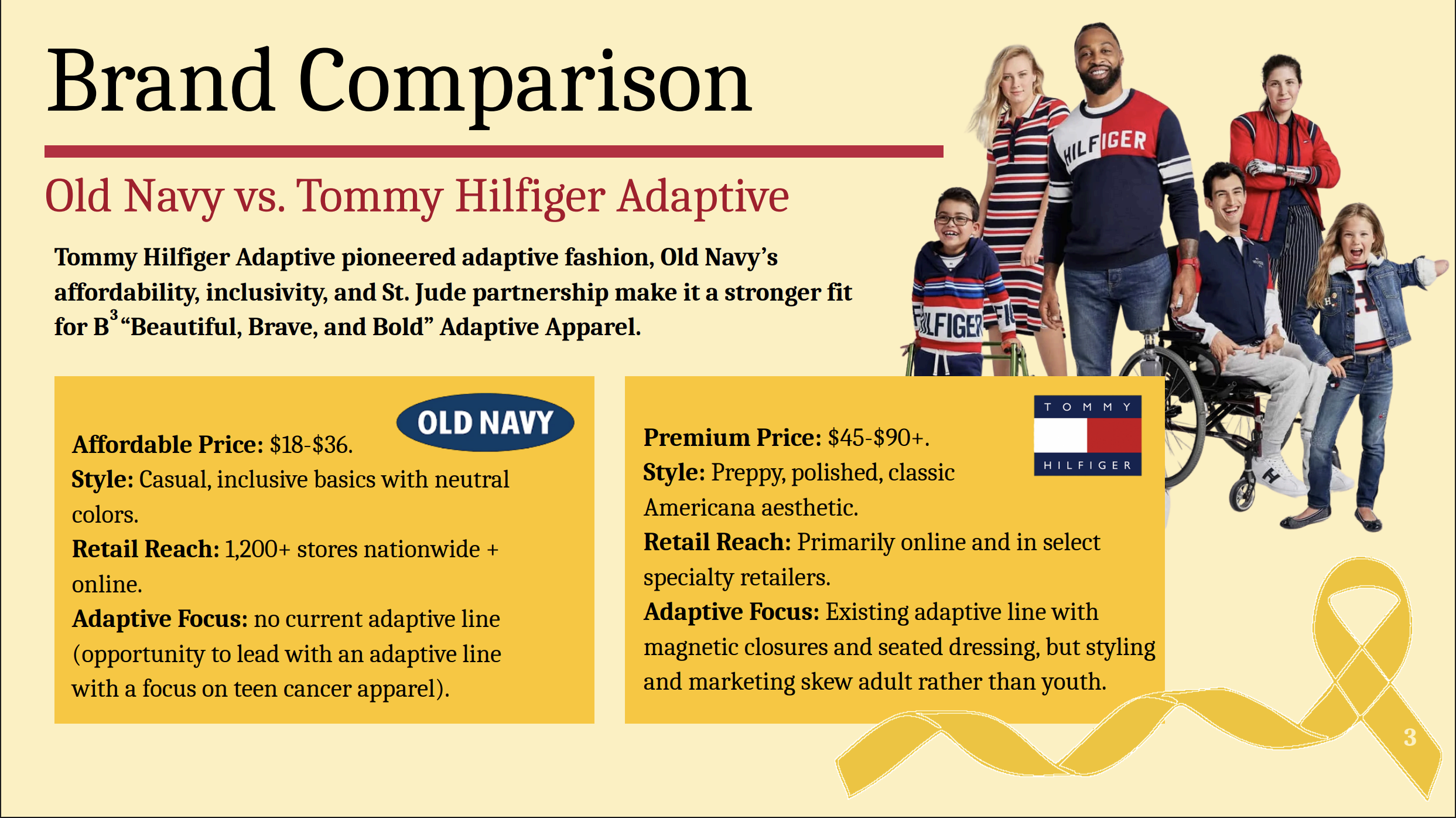
Adaptive apparel competitors
Gen Z consumer behavior (self-expression through fashion)
Emotional and physical challenges faced by teen cancer patients
This led to a key insight: Teens don’t just need functional clothing, they need clothing that restores confidence and identity.
Brand Strategy & Partnerships
I selected:
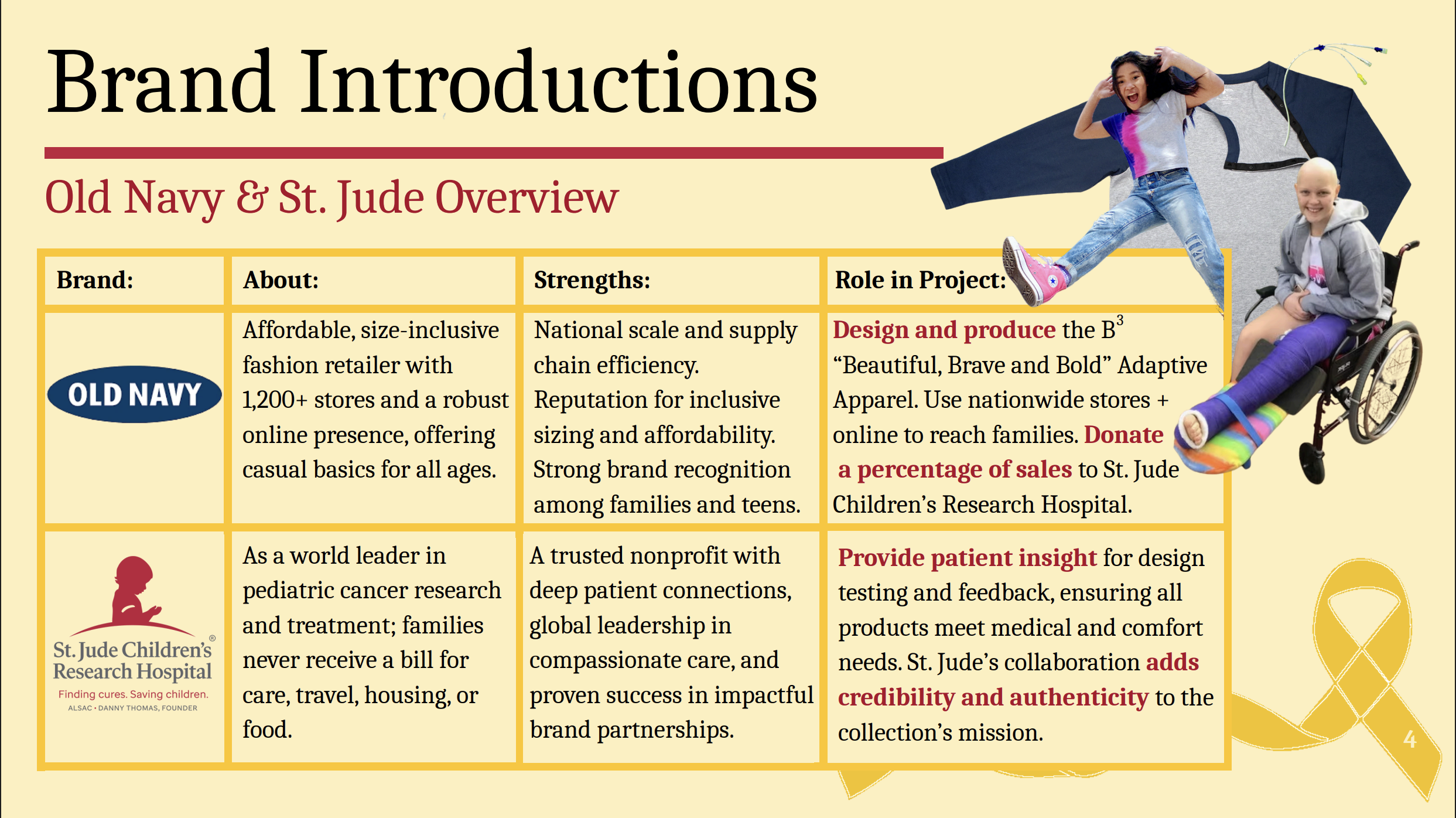
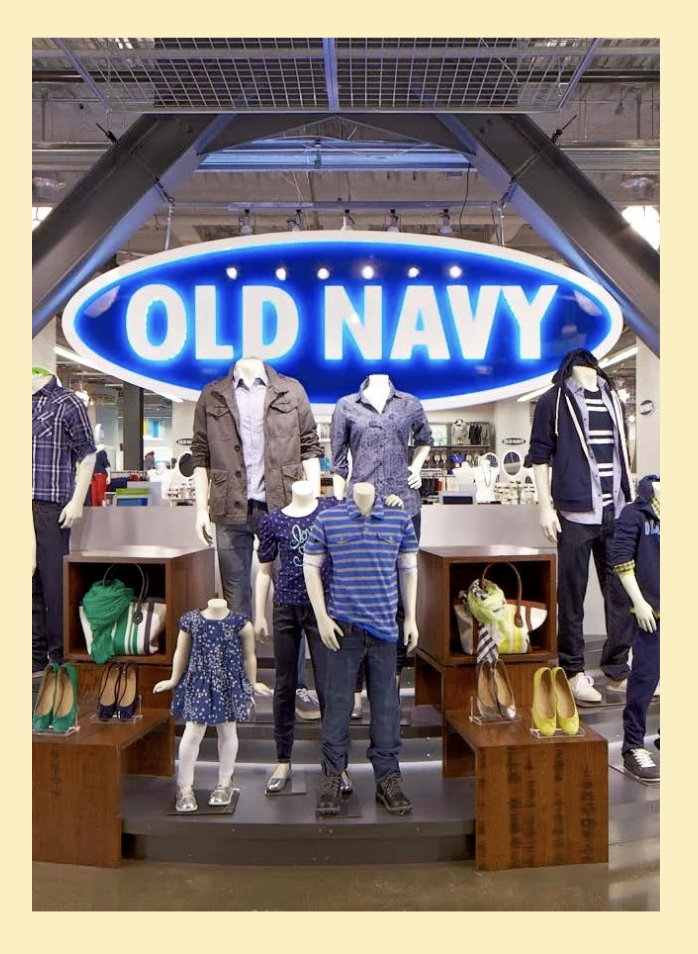
Old Navy for its accessibility, affordability, and national reach
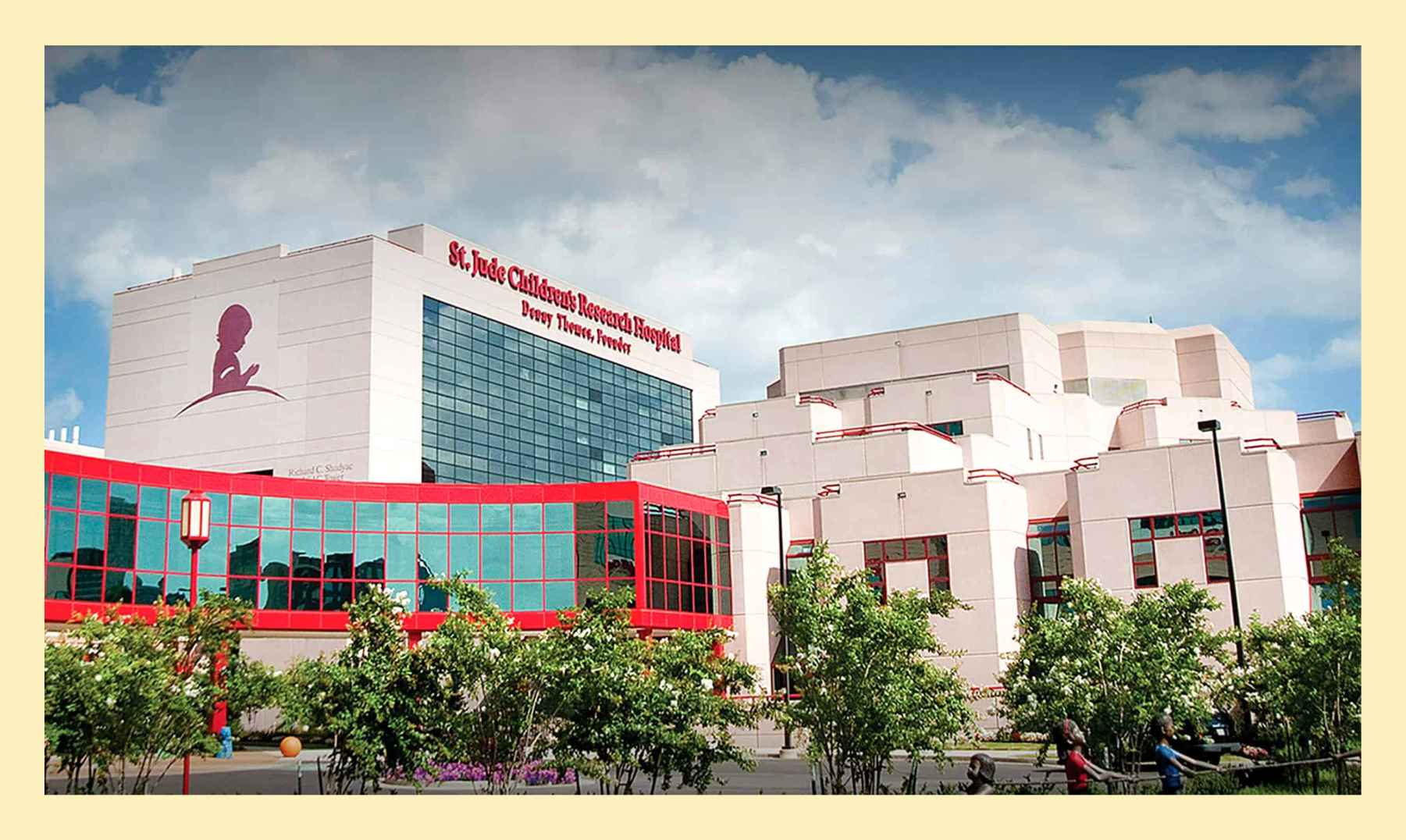
St. Jude Children's Research Hospital for its credibility, patient access, and mission alignment
Together, they create a solution that is both scalable and meaningful.
Product & Assortment Design
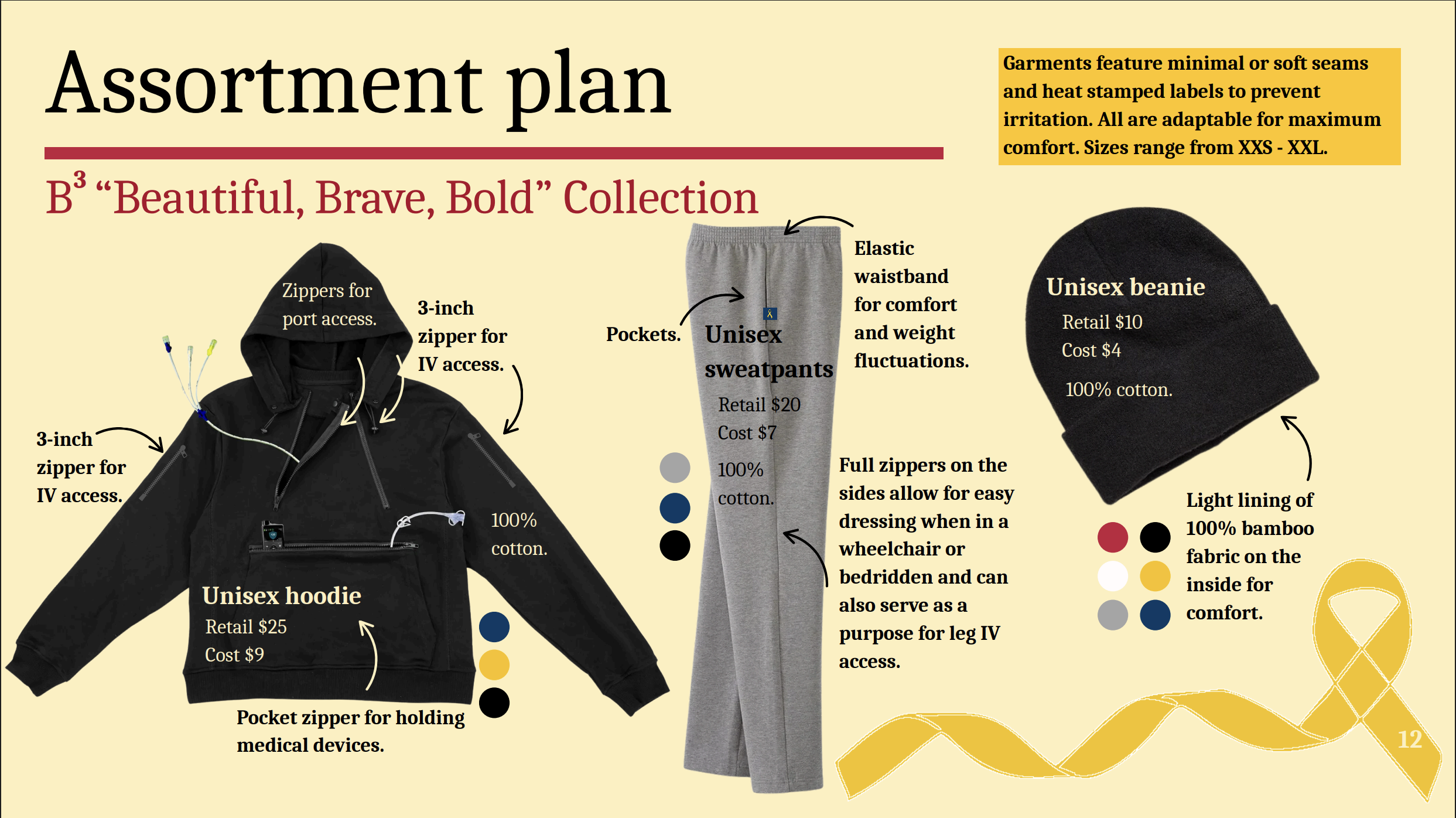
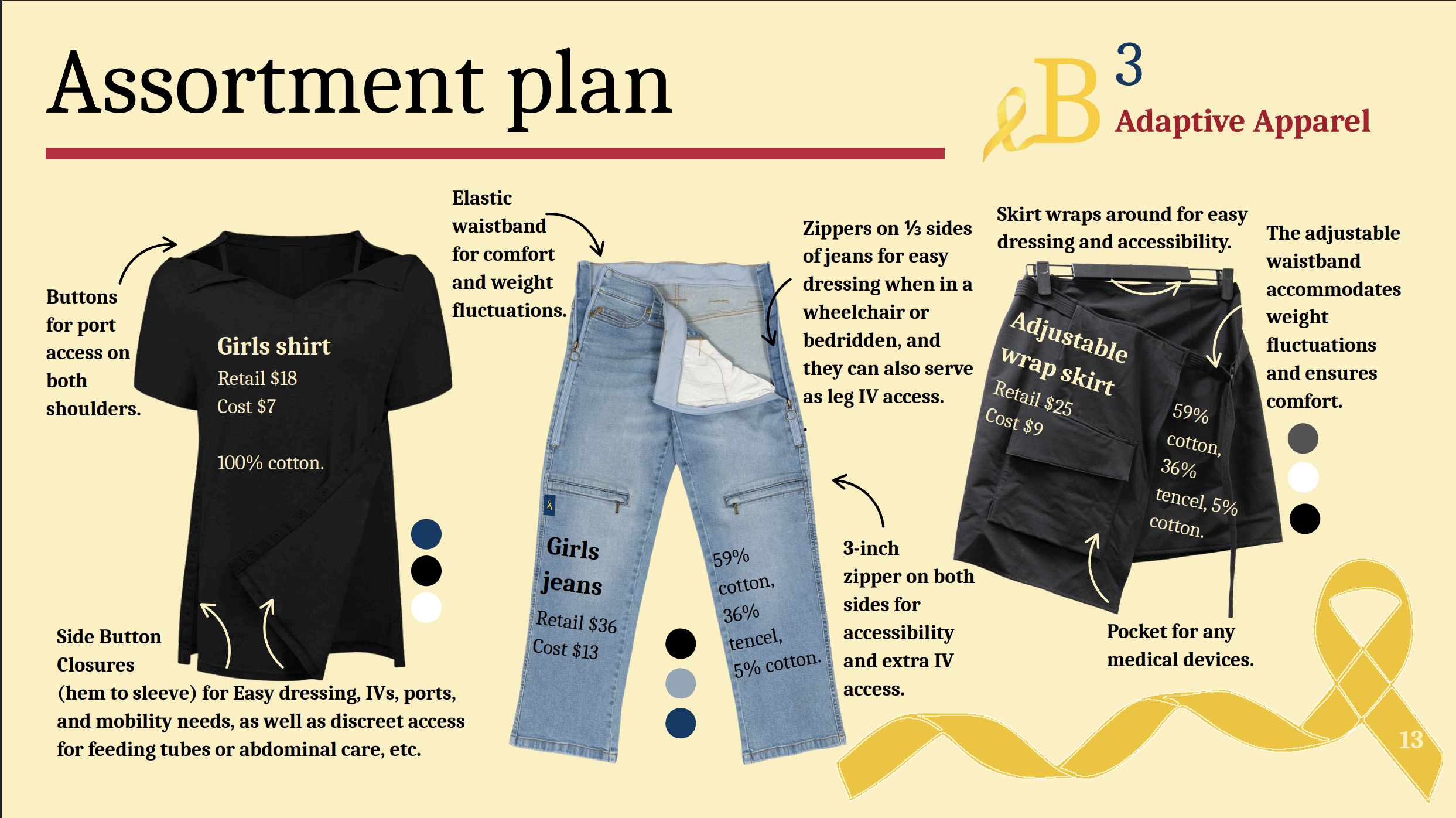
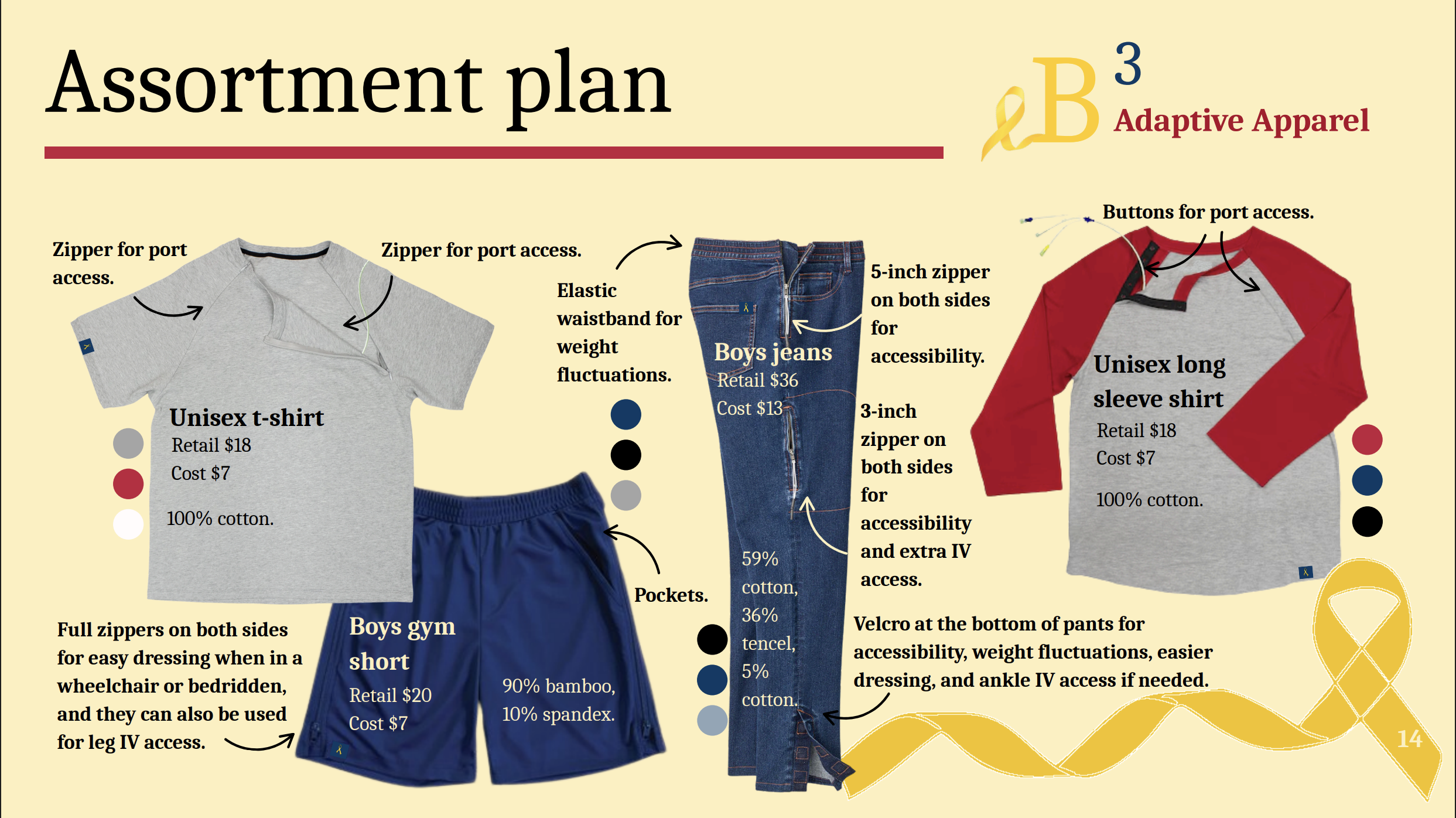
I developed a full adaptive collection featuring:
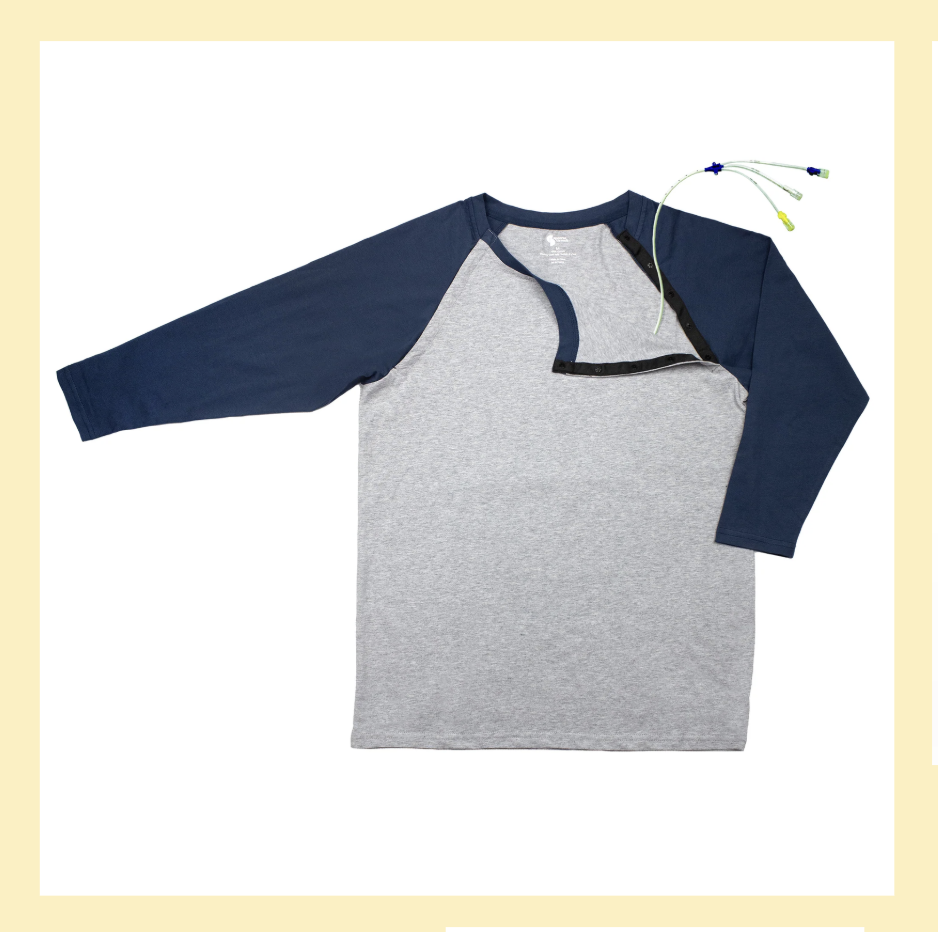
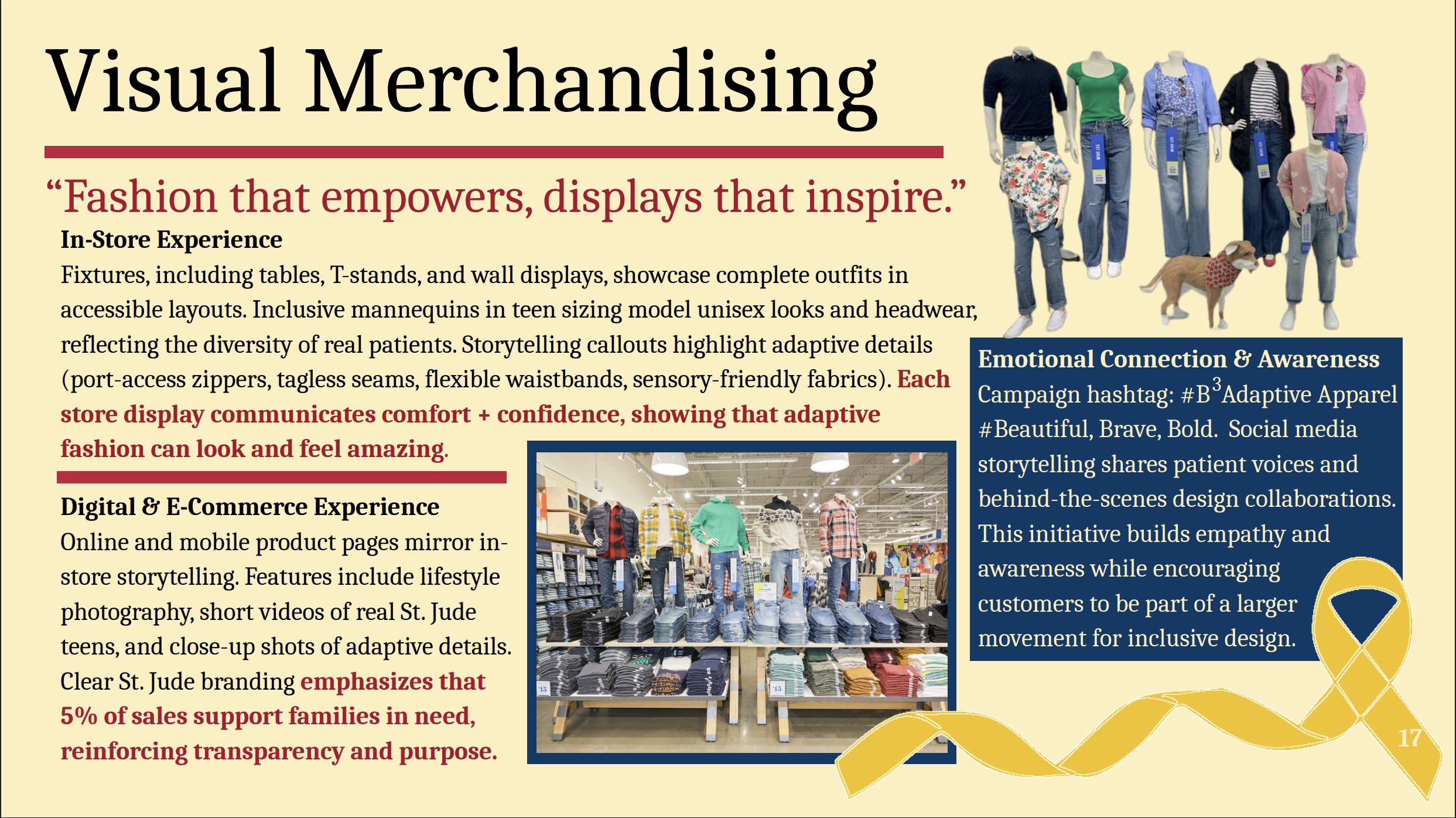
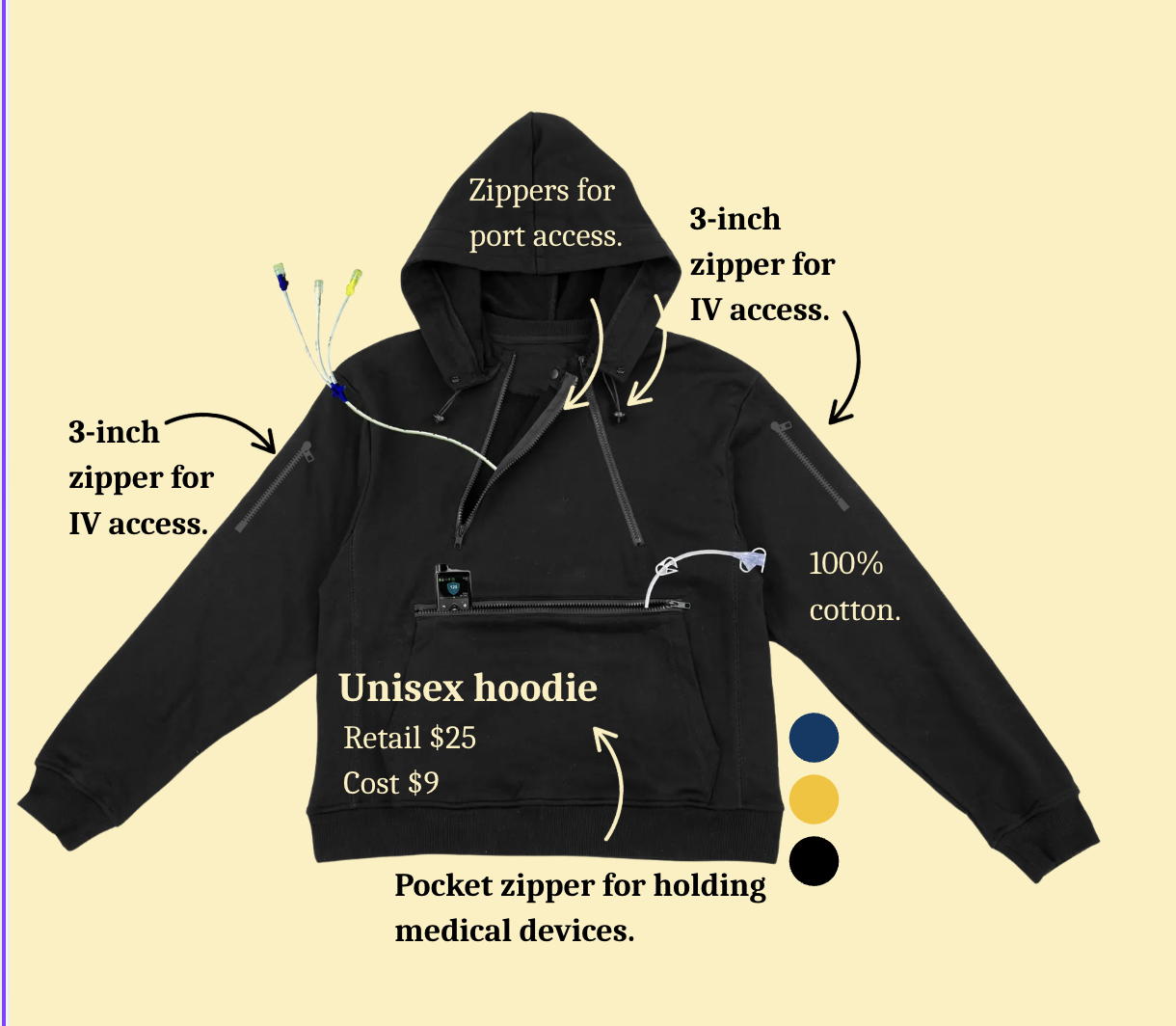
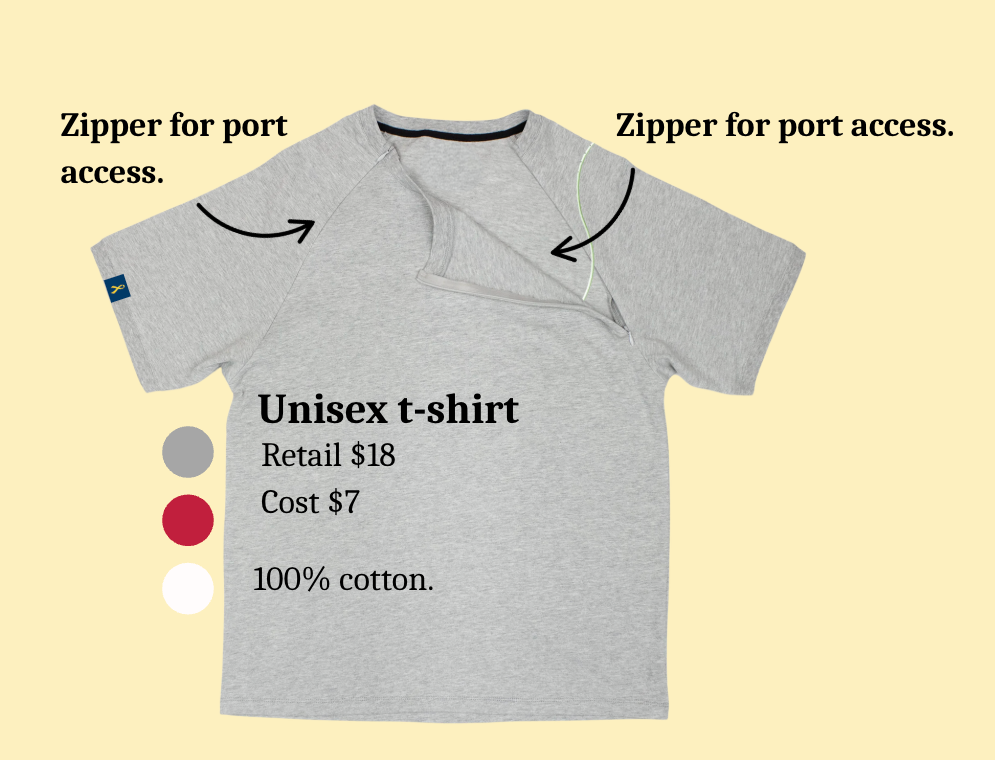
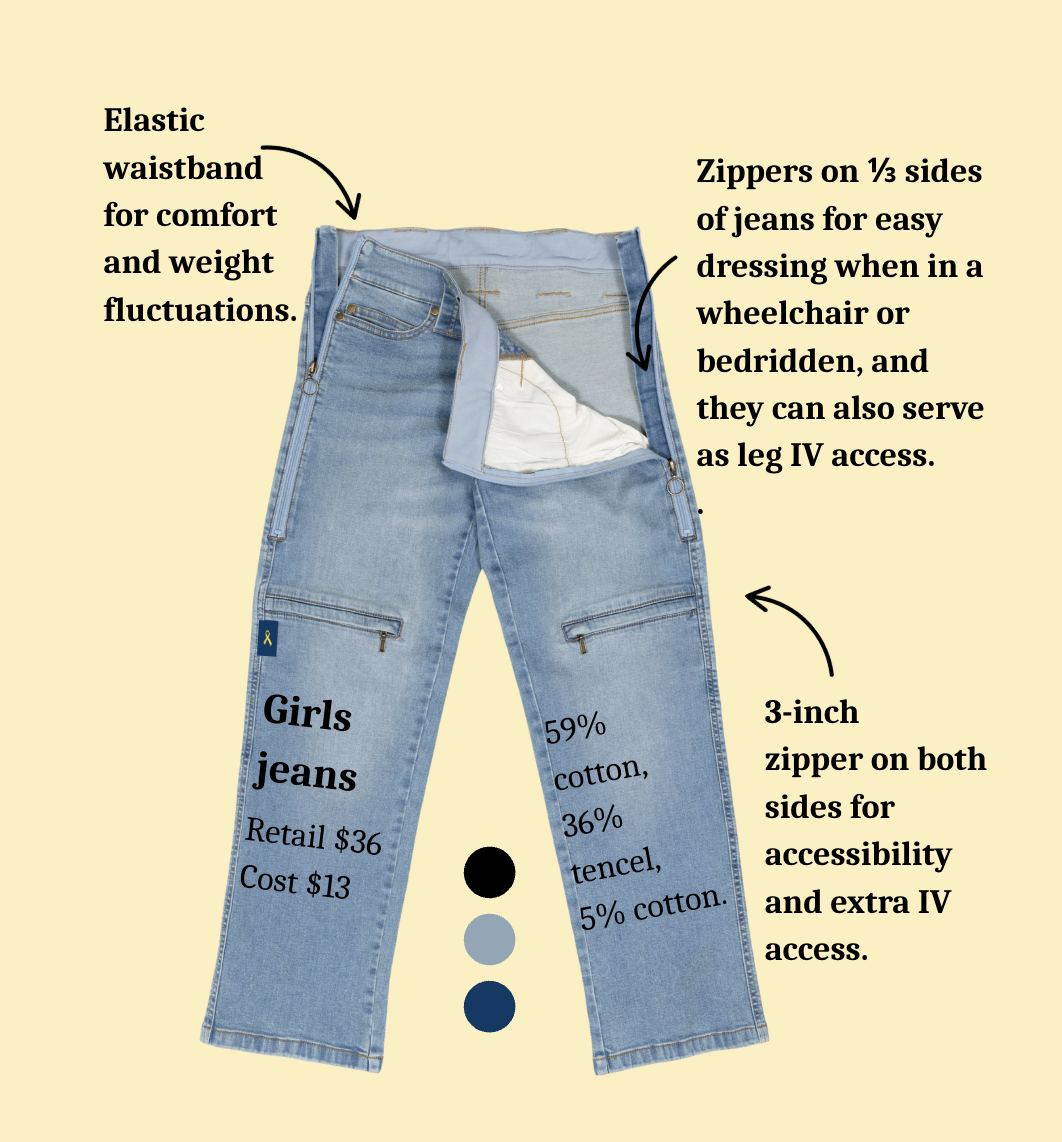
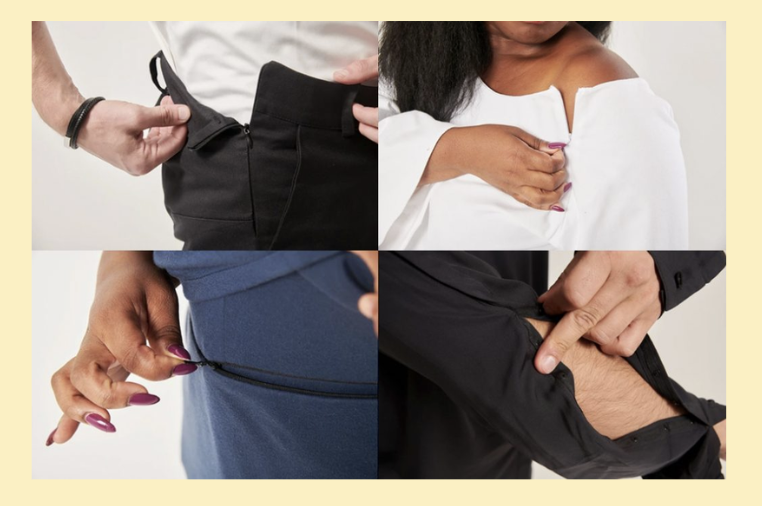
Port-access panels and hidden zippers
Sensory-friendly fabrics and tagless seams
Adjustable waistbands for weight fluctuation
Gender-inclusive, age-appropriate styles
Garments feature minimal or soft seams and heat stamped labels to prevent irritation. All are adaptable for maximum comfort. Sizes range from XXS - XXL.
Design focus: comfort, functionality, and confidence
Financials & Marketing
$1.9M projected sales plan
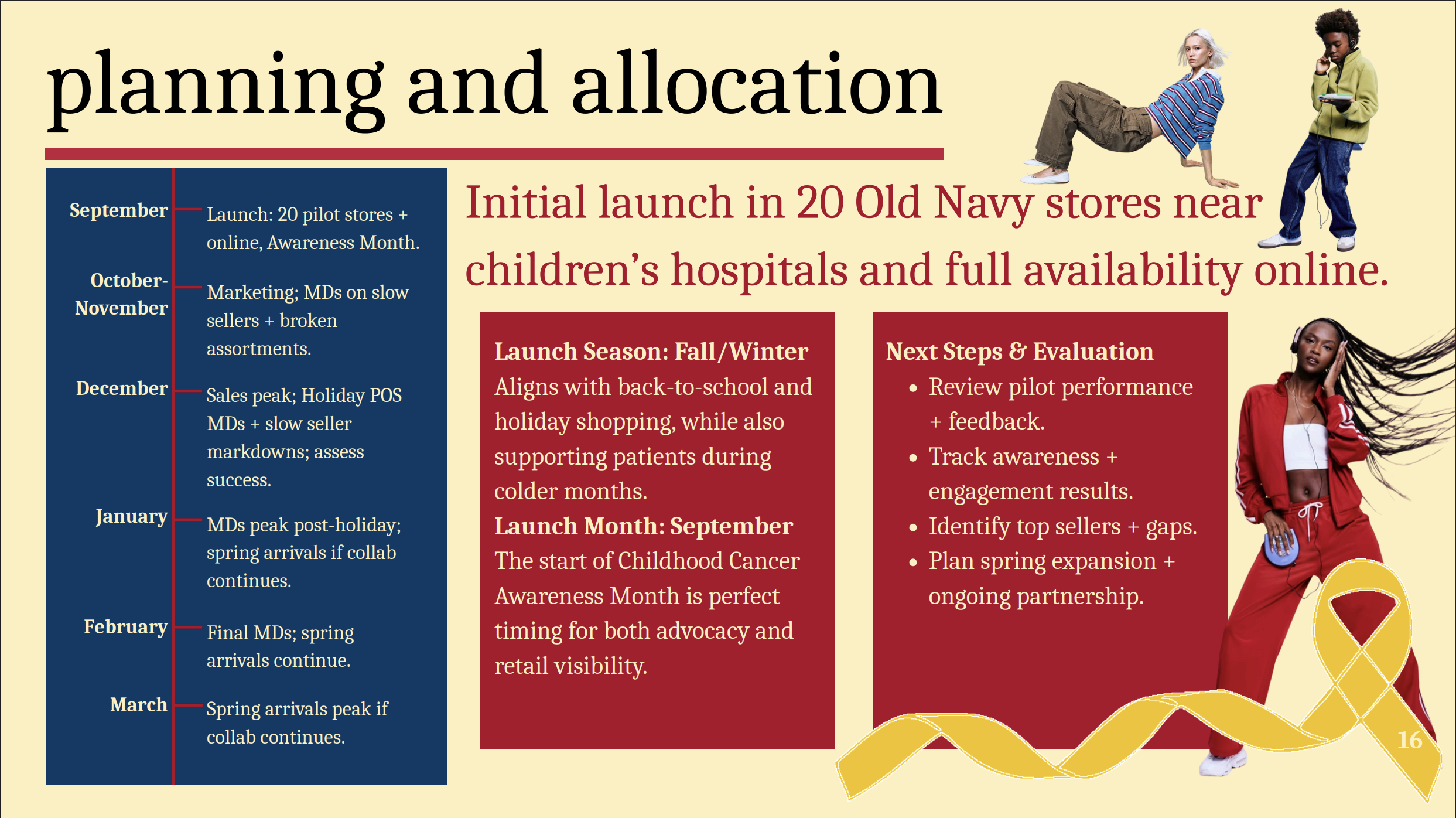
20 pilot stores near children’s hospitals
Pricing between $18–$36 to ensure accessibility
5% of proceeds donated to St. Jude
Financial & Retail Strategy
Launch aligned with Childhood Cancer Awareness Month (September)
In-store storytelling and inclusive mannequins
Digital experience featuring real patient stories
Campaign: #BeautifulBraveBold
Marketing & Experience

The Outcome
FSF 2026 Award
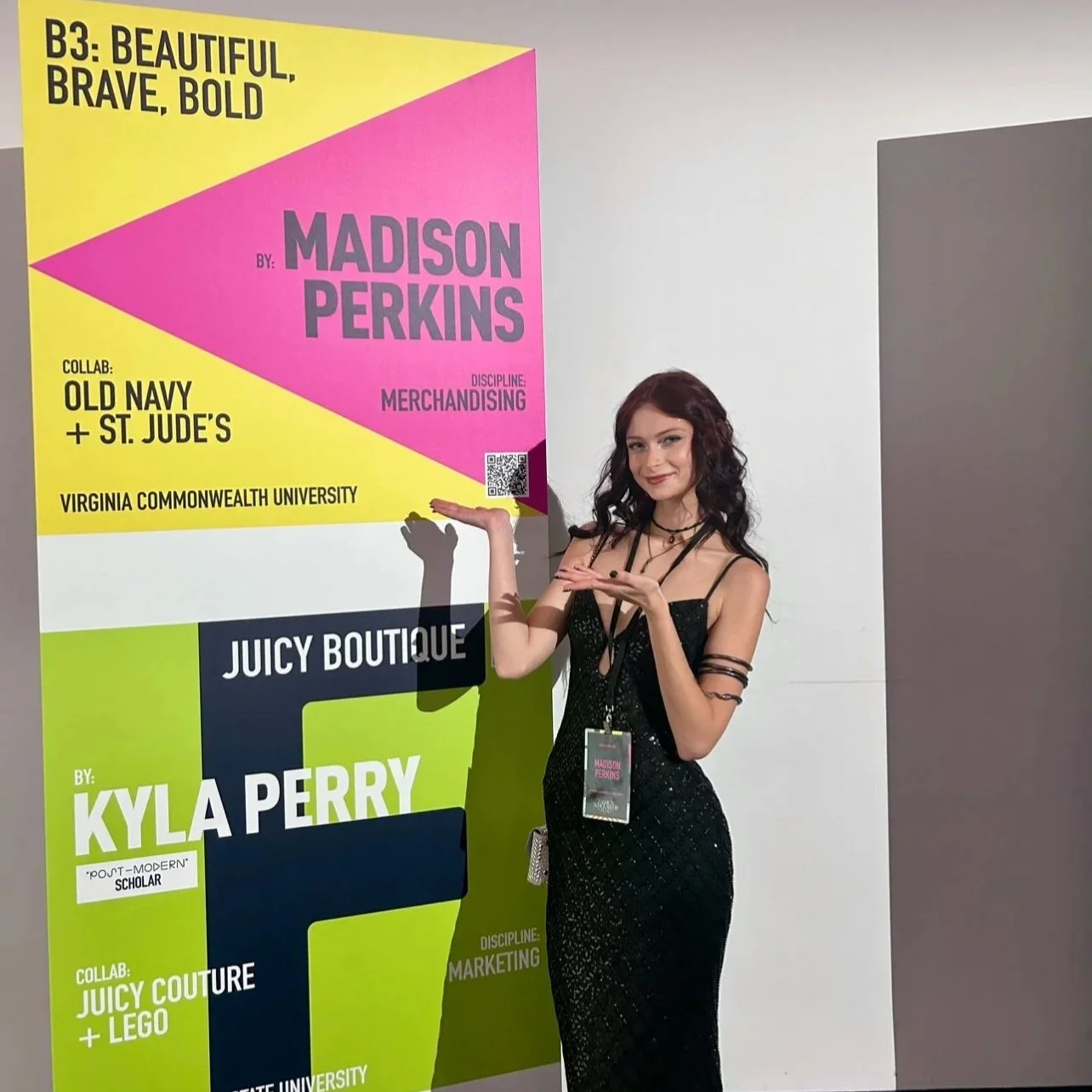
I was honored to be named a 2026 FSF Scholar, selected as one of 160 students nationwide from a pool of 700+ applicants and one of 7 from VCU. This recognition included a $10,000 award and the opportunity to attend the FSF 2026 Gala, where I connected with industry leaders and expanded my professional network.
Key Takeaway
This experience reinforced my interest in purpose-driven merchandising and showed me how personal perspective, when combined with research and strategy, can lead to meaningful industry solutions.